
Formats
Kanna Extracts Explained: V3 Melt vs. MZQ Glow vs. XK6
NEXT VYBZ Editorial | October 22, 2026| 12 min read
Explore All Kanna Guides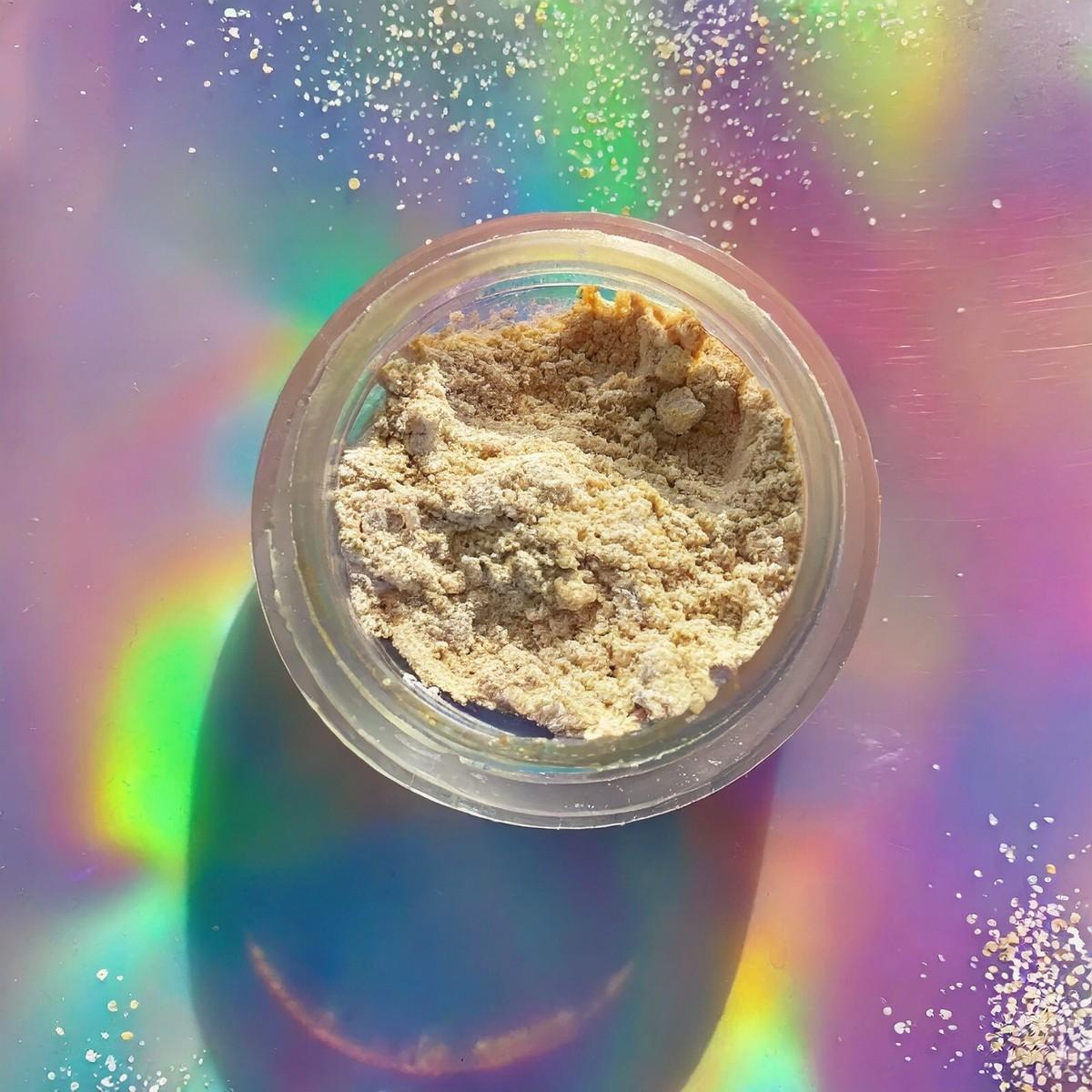
Not all kanna extracts are created equal.
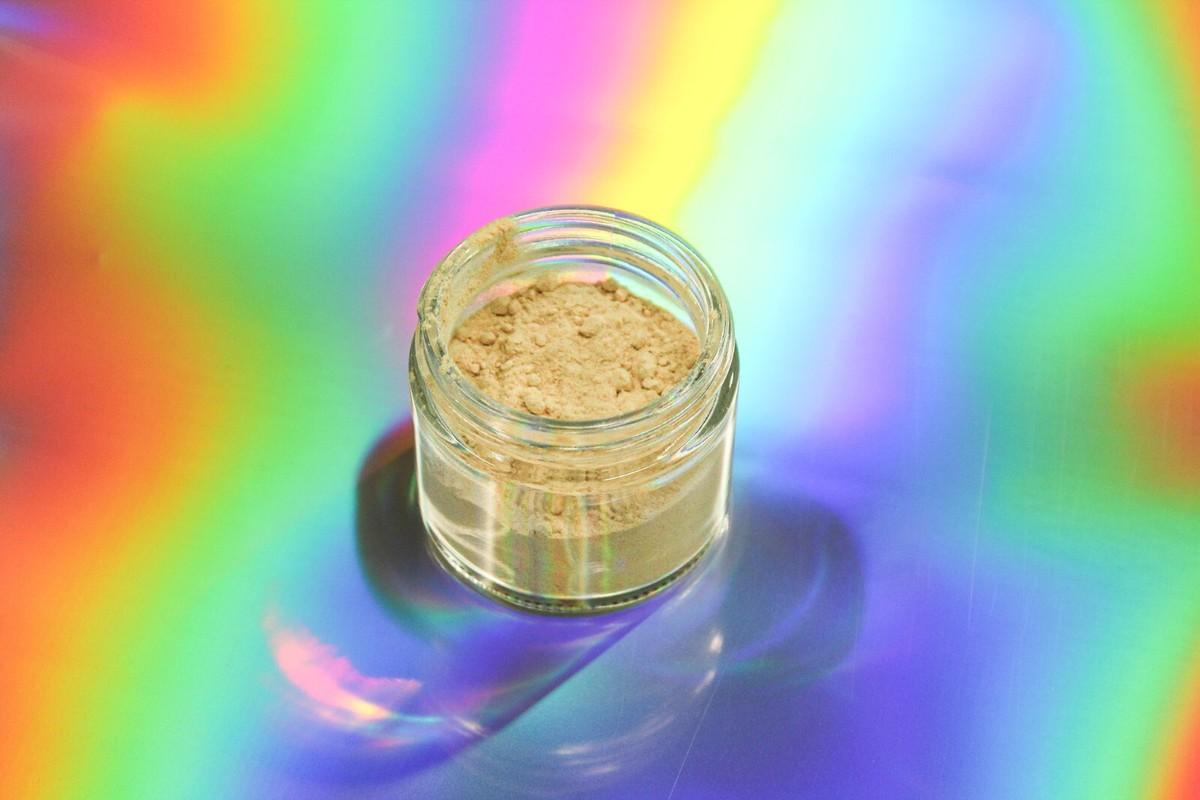
Take a look at a few jars of kanna extract powder and you might wonder what makes one different from another. They come from the same plant, often look nearly identical, and sometimes have similar alkaloid percentages.
So why do they have different names?
The answer comes down to alkaloid profiles, which describe the relative amounts of naturally occurring compounds found in each extract.
Healing Herbals offers several kanna formulations designed around different alkaloid compositions. At NEXT VYBZ, we've organized three of their extracts into our Melt, Party, and Chill effect collections.
In this guide, we're comparing V3 Melt, MZQ Glow, and XK6, looking at their ingredients, manufacturer-reported differences, and what you should understand before choosing a concentrated kanna product.
What Is Kanna Extract?
Kanna (Sceletium tortuosum) is a succulent plant native to South Africa with a history of traditional use among Indigenous communities.
Modern kanna extracts are concentrated preparations made from the plant.
Unlike a product made from simply grinding dried plant material, an extract involves processing the botanical material to concentrate particular compounds.
These compounds include naturally occurring alkaloids that researchers have studied for their interactions with the nervous system.
Kanna extracts are available in several forms, including powders and liquid preparations.
Some manufacturers standardize their extracts to a target percentage of total alkaloids. Others emphasize the relative concentrations of individual alkaloids.
This is where things get interesting.
Two kanna extracts can have similar total alkaloid percentages while containing noticeably different proportions of individual compounds.
That's why the percentage printed on the packaging doesn't tell the entire story.
New to kanna itself? Start with our Kanna for Beginners guide before exploring concentrated extracts.
Understanding Kanna Alkaloids: What Makes Extracts Different?
To understand the difference between V3, MZQ, and XK6, it helps to know a little about the compounds inside kanna.
Researchers have identified numerous alkaloids in Sceletium tortuosum, with the mesembrine family receiving much of the scientific attention.
Mesembrine
Mesembrine is one of the best-known kanna alkaloids.
Laboratory research has shown that mesembrine interacts with the serotonin transporter, which plays a role in serotonin signaling.
Manufacturers often describe mesembrine-dominant extracts as having a brighter or more stimulating character.
However, those descriptions are largely based on product formulation and reported experiences. Human studies haven't established a reliable relationship between a specific mesembrine percentage and a predictable subjective effect.
Mesembrenone
Mesembrenone is another naturally occurring kanna alkaloid.
Laboratory research suggests that it can interact with serotonin-related pathways and an enzyme called phosphodiesterase-4 (PDE4).
Extracts containing relatively more mesembrenone are sometimes marketed as having a calmer, more body-focused character.
That does not mean mesembrenone is clinically proven to produce relaxation or that a particular extract will have the same effect on everyone.
Delta-7-Mesembrenone
Delta-7-mesembrenone, sometimes written as Δ7-mesembrenone, is also found in kanna.
Some manufacturers use its concentration to distinguish their extract formulations.
However, the independent human research connecting specific delta-7-mesembrenone ratios to subjective experiences is limited.
The key takeaway is that alkaloid composition matters, but it cannot reliably predict how an individual will respond to a product.
Healing Herbals Kanna Extract Comparison: V3 vs. MZQ vs. XK6
Here's how the three formulations compare based on Healing Herbals' published product specifications and NEXT VYBZ's product categories.
| Feature | V3 Melt | MZQ Glow | XK6 |
|---|---|---|---|
| NEXT VYBZ category | Melt | Party | Chill |
| Manufacturer profile | Higher mesembrenone emphasis | Mesembrine-dominant | Elevated delta-7-mesembrenone |
| Approx. total alkaloids | 5% | 5.5% | 5.4% |
| Format | Extract powder | Extract powder | Crystalline extract powder |
| NEXT VYBZ jar size | 1 gram | 1 gram | 1 gram |
| Brand positioning | More body-focused | Brighter, more social | Calm, steady focus |
These percentages reflect manufacturer-reported formulation specifications, not independently verified results for every batch. Effect categories are merchandising descriptions, not guarantees of how a product will feel.
Although the total alkaloid percentages are relatively close, the manufacturer emphasizes different portions of the alkaloid profile for each extract.
Let's take a closer look.
V3 Melt: The Mesembrenone-Focused Kanna Extract
Healing Herbals V3 Melt Kanna Extract is positioned toward the more body-focused end of the brand's extract lineup.
Healing Herbals describes V3 as having a broader alkaloid profile with a relatively high proportion of mesembrenone compared with its mesembrine-forward formulas.
According to its published specifications, mesembrine accounts for approximately 45–55% of the alkaloid fraction, while mesembrenone represents around 20–30%.
This differs from MZQ Glow, which places considerably more emphasis on mesembrine.
Why Is V3 in the Melt Category?
At NEXT VYBZ, V3 belongs to our Melt collection.
Melt is our collection for products marketed around deeper, more immersive experiences.
V3 fits this category because Healing Herbals describes its formulation as more body-focused than stimulating.
It's worth remembering that this is the manufacturer's characterization, not a clinically verified effect profile.
Someone considering V3 should focus on its published alkaloid composition and available lab information rather than assuming it will produce a particular sensation.
What makes V3 different: Its relatively elevated mesembrenone proportion distinguishes it from more mesembrine-dominant extracts.
Explore Healing Herbals V3 Melt
MZQ Glow: The Mesembrine-Dominant Kanna Extract
Healing Herbals MZQ Glow Kanna Extract takes a different approach.
While V3 emphasizes a more balanced alkaloid composition, MZQ Glow is formulated around a higher relative proportion of mesembrine.
Healing Herbals' current product listing gives a total alkaloid concentration of approximately 5.5% and describes the formulation as mesembrine-dominant, without specifying an exact mesembrine share.
Total alkaloid concentration is the proportion of alkaloids in the powder; an individual alkaloid's share describes its proportion within that measured alkaloid fraction.
The distinction matters when comparing standardized extracts.
Why Is MZQ Glow in the Party Category?
We feature MZQ Glow in our Party collection.
Party is NEXT VYBZ's category for products associated with more energetic social occasions.
Healing Herbals positions MZQ as a brighter, more socially oriented extract, which is why we've placed it in this collection.
The manufacturer also identifies it as a mesembrine-forward formulation.
Still, it's important not to confuse that positioning with proof that MZQ will improve sociability or reliably increase energy.
Research on kanna's individual alkaloids remains insufficient to support such predictions.
What makes MZQ Glow different: Its mesembrine-dominant composition sets it apart from V3 and XK6.
Explore Healing Herbals MZQ Glow
XK6: The Delta-7-Mesembrenone-Focused Extract
Healing Herbals XK6 Kanna Extract is formulated with particular emphasis on delta-7-mesembrenone.
Healing Herbals reports approximately 5.4% total alkaloids, with delta-7-mesembrenone accounting for roughly 17–20% of the alkaloid fraction.
Mesembrine remains the largest individual component in its published profile, but the overall ratio differs from MZQ Glow.
Healing Herbals describes XK6 as having a more balanced character, with emphasis on steady focus rather than strong stimulation.
Those descriptions reflect the brand's product positioning and should not be interpreted as proven cognitive benefits.
Why Is XK6 in the Chill Category?
You'll find XK6 in our Chill collection.
Chill brings together products marketed around slower-paced occasions and more relaxed experiences.
Although Healing Herbals also uses focus-oriented language for XK6, we categorize it under Chill because its manufacturer describes the overall formulation as calmer rather than strongly stimulating.
That distinction highlights something worth remembering about kanna products: the names and effect categories are useful for browsing, but they cannot substitute for examining the actual ingredients.
What makes XK6 different: Its elevated delta-7-mesembrenone positioning distinguishes it from the mesembrine-focused MZQ formulation.
Does a Higher Alkaloid Percentage Mean a Stronger Kanna Extract?
Not necessarily.
One of the most common mistakes people make when comparing kanna extracts is looking exclusively at the total alkaloid percentage.
Consider the manufacturer specifications for these products:
- V3: approximately 5% total alkaloids
- MZQ Glow: approximately 5.5%
- XK6: approximately 5.4%
Those figures are close, but their individual alkaloid profiles are different.
The total percentage represents the combined concentration of measured alkaloids in the extract. It doesn't explain how those compounds are distributed.
For example, an extract containing 5.5% total alkaloids with a high proportion of mesembrine is chemically different from another extract containing a similar total percentage with more mesembrenone.
Neither number alone can reliably tell you which product will feel stronger.
It's also important to remember that product concentration isn't the same thing as clinical effectiveness or safety.
An extract with a higher total alkaloid percentage isn't automatically better.
When comparing concentrated botanicals, understanding what's being measured matters more than chasing the biggest number.
How Can You Verify a Kanna Extract's Alkaloid Content?
One of the most useful documents to review when comparing kanna extracts is a certificate of analysis, commonly called a COA.
A COA is a laboratory report that may provide information about the chemical composition of a particular product or batch.
For kanna extracts, a relevant potency report may identify the total measured alkaloids and their individual concentrations.
Depending on the laboratory's testing methods, it may also provide additional information about the product.
When reviewing a report, pay attention to the batch identifier and testing date.
Check which alkaloids were measured and whether the reported concentrations match the product's labeling.
Also remember that potency testing doesn't necessarily mean the same sample was tested for contaminants.
At NEXT VYBZ, you can find available documentation on our Lab Results page.
When possible, compare reports corresponding to the specific product batch you intend to purchase.
Are Kanna Extracts Suitable for Beginners?
Concentrated kanna extracts require more care than familiar, individually portioned product formats.
The quantities involved may be small, and differences in concentration can matter.
A measuring scoop can be convenient, but it doesn't necessarily offer the same precision as a calibrated scale.
There's also no universally established beginner dose that applies to every commercial kanna extract.
Clinical research involving particular standardized formulations cannot automatically be used to establish safe serving sizes for other extracts.
People who are unfamiliar with kanna should first understand the product's concentration and read the manufacturer's safety information.
A product shouldn't be considered safe simply because it's natural or sold as a botanical supplement.
Kanna alkaloids interact with serotonin-related pathways. Combining kanna with medications that influence serotonin, including certain antidepressants, may present serious interaction risks.
Avoid combining kanna with alcohol or other psychoactive substances. Do not drive after using it.
Kanna should also be avoided during pregnancy or breastfeeding because adequate safety data are lacking.
If you take prescription medication or have a medical condition, discuss potential risks with a qualified healthcare professional.
For a closer look at these considerations, read our Is Kanna Safe? guide.
V3 vs. MZQ vs. XK6: Which Kanna Extract Should You Choose?
There's no single answer that applies to everyone.
These products are different formulations of the same botanical, but their manufacturer-reported alkaloid profiles are not identical.
V3 is positioned toward the more body-focused end of the range, with a relatively elevated mesembrenone proportion.
MZQ Glow takes a mesembrine-dominant approach and sits in our Party collection.
XK6 places additional emphasis on delta-7-mesembrenone and appears in our Chill collection.
Those distinctions can help you understand how the manufacturer developed and describes each formulation.
However, they don't establish which product will produce a specific effect for an individual.
A more reliable comparison starts with transparent ingredients and batch-specific testing. Look at the concentration information, then review the manufacturer's warnings.
If you're still researching kanna generally, our Kanna Guides & Education hub provides additional background before you consider a concentrated extract.
Frequently Asked Questions About Kanna Extracts
What is the difference between V3, MZQ, and XK6 kanna extracts?
The primary difference is their manufacturer-reported alkaloid composition. V3 emphasizes a broader profile with relatively more mesembrenone, MZQ Glow is mesembrine-dominant, and XK6 places greater emphasis on delta-7-mesembrenone. Their total alkaloid percentages are relatively similar.
Which Healing Herbals kanna extract is strongest?
It's not possible to identify the strongest subjective experience from the total alkaloid percentage alone. The three extracts have similar manufacturer-reported concentrations but different profiles. Individual responses may vary.
Is MZQ Glow the same as MZO?
Healing Herbals describes MZQ Glow as the newer formulation formerly sold under the MZO name. The manufacturer lists MZQ at approximately 5.5% total alkaloids, compared with an earlier 5% MZO specification. Check the specific product and batch information rather than assuming every historical MZO report applies to MZQ.
Is XK6 a relaxing kanna extract?
Healing Herbals describes XK6 as balanced and focused, with a relatively calm character. NEXT VYBZ includes it in the Chill category. Neither description guarantees that it will produce relaxation in a particular person.
Are kanna extracts stronger than kanna gummies?
Extract powders are concentrated preparations, while gummies contain formulated servings. However, the actual amount and type of active alkaloids can differ between products. You cannot determine comparative strength simply from the words "extract" or "gummy."
How long do kanna extracts last?
There isn't a scientifically established duration that applies to all kanna extracts. Formulation differences and individual responses can affect perceived timing. Read our guide on How Long Does Kanna Last? for a more detailed explanation.
Final Thoughts: Same Plant, Different Profiles
At first glance, V3 Melt, MZQ Glow, and XK6 may seem like nearly identical kanna powders.
But a closer look at their reported alkaloid composition reveals important formulation differences.
V3 emphasizes a broader profile with more mesembrenone, MZQ Glow puts mesembrine at the forefront, and XK6 highlights delta-7-mesembrenone.
These distinctions help explain why Healing Herbals markets the products differently and why NEXT VYBZ organizes them into separate effect categories.
Still, manufacturer descriptions should not be confused with scientifically proven outcomes.
Whether you're exploring kanna for the first time or comparing different extract formulations, focus on understanding the product rather than assuming a certain experience.
Want to compare the available options?
Browse our Kanna Extracts collection to see V3 Melt, MZQ Glow, and XK6 together.
Or explore our complete Kanna collection to discover other product formats.
Research & Sources
Scientific literature
-
Harvey et al. (2011). Pharmacological actions of the South African medicinal and functional food plant Sceletium tortuosum and its principal alkaloids. Journal of Ethnopharmacology.
-
Sceletium tortuosum: A Review on Its Phytochemistry, Pharmacokinetics, Biological, Pre-clinical and Clinical Activities. Journal of Ethnopharmacology.
-
Sceletium for Managing Anxiety, Depression and Cognitive Impairment: A Traditional Herbal Medicine in Modern-Day Regulatory Systems. Planta Medica.
Manufacturer formulation information
Product specifications and effect descriptions reflect information published by Healing Herbals and NEXT VYBZ. Actual batch composition may vary. This article is educational and not medical advice. Kanna products are not intended to diagnose, treat, cure, or prevent disease. Consult a qualified healthcare professional about potential interactions or health concerns.
Shop What You Just Read


Keep Reading

What Is Kanna?
NEXT VYBZ Editorial | August 12, 2026

Does Kanna Get You High?
NEXT VYBZ Editorial | August 14, 2026

Is Kanna Safe?
NEXT VYBZ Editorial | August 16, 2026

Kanna for Beginners: Everything You Need to Know
NEXT VYBZ Editorial | October 19, 2026

How Long Does Kanna Last? Onset, Duration & What to Expect
NEXT VYBZ Editorial | October 22, 2026